0% VAT on home energy work: what's actually covered
There's a 0% VAT rate on some home energy improvements. It's real, it's worth having, and it runs out at the end of March 2027.
Information correct as at . We'll update this page after the Budget on 28 October.
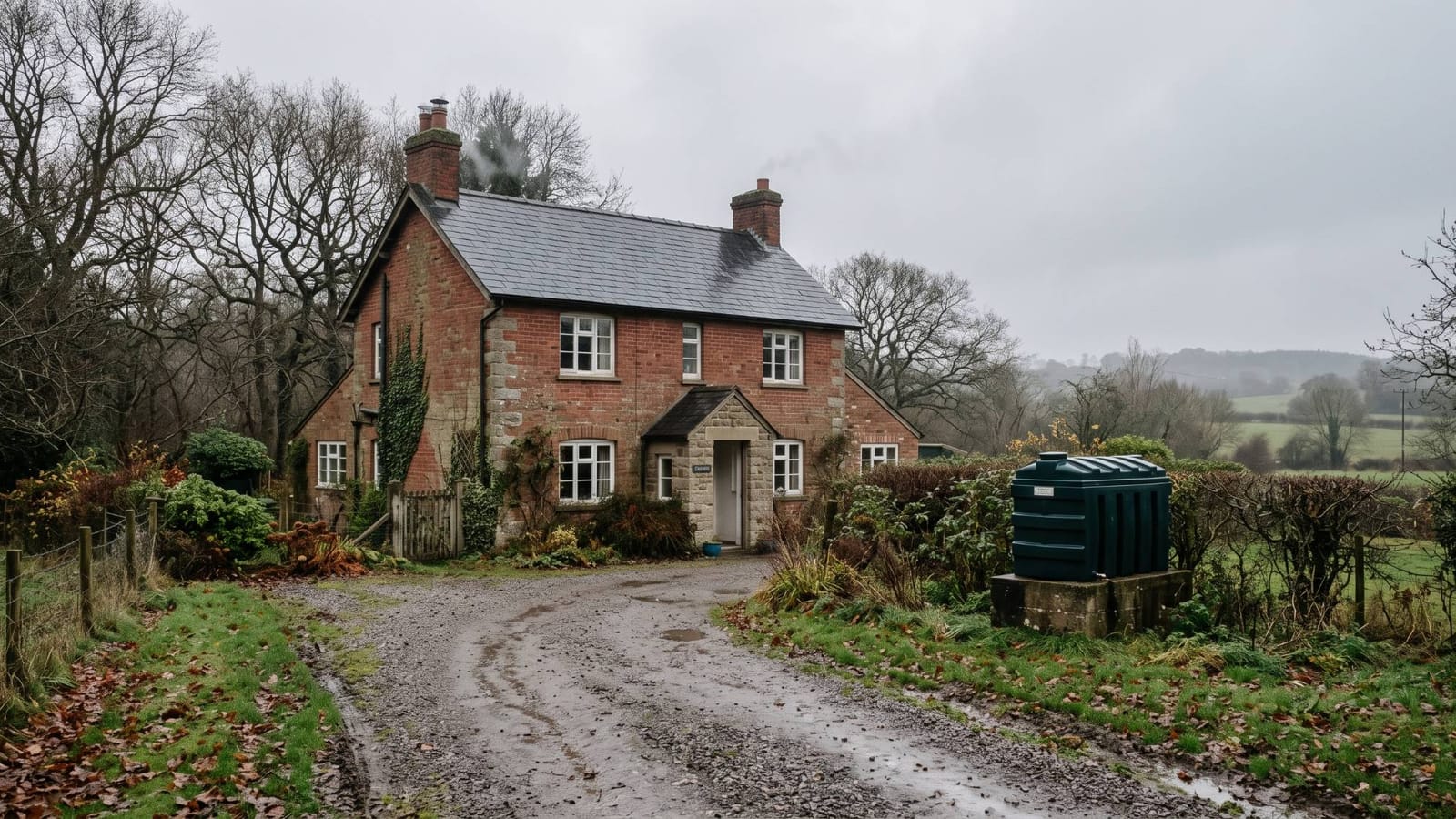
It's also narrower than most people think. Four things come up again and again in conversations with homeowners, and three of them don't qualify — usually discovered when the invoice lands.
Here's what's in, what's out, and what to do about it.
VAT 0%
Supplied and fitted in your home, until 31 March 2027.
- Insulation
- Heat pumps — air, ground or water source
- Solar panels
- Batteries, including on their own since February 2024
- Heating controls
- Draught-proofing
- Groundworks for a ground or water source heat pump
- Work done purely to make the main job possible
VAT 20%
The four that catch people out.
- Insulation fitted as part of building an extension
- New windows — double, secondary or low-emissivity glazing
- Materials you buy from a merchant yourself
- A conventional boiler with radiators, pipework, valves and controls
The short version
If a builder supplies and fits certain energy-saving things in your home, you pay no VAT on that work. Insulation, heat pumps, solar panels, batteries, heating controls and draught-proofing are on the list.
That 0% rate applies until 31 March 2027. After that it goes to 5%.
Worth saying clearly, because plenty of articles get this wrong: it goes to 5%, not back to 20%. On a £25,000 job that's about £1,250 more, not £5,000. Still money. Not a cliff edge.
Four things people expect to be free of VAT — and aren't
Insulation in a new extension
You're building an extension and of course it'll be well insulated. So the insulation is 0%, right?
No. When work is done as one job, the main part of that job sets the VAT rate for all of it. Building an extension doesn't qualify for the relief (the 0% rate), and the insulation is part of building the extension — so the whole thing is at the normal 20%.
This one catches the most people, because it feels so obviously wrong.
New windows
Double glazing, secondary glazing (a second pane fitted inside the existing window), low-emissivity glass (coated to reflect heat back into the room) — all at 20%. Windows are specifically left off the list, no matter how good they are.
If you're doing a whole house, windows are often the biggest single line in the quote. Budget them at 20% and you won't get a shock.
Materials you buy yourself
Buying insulation from a merchant and collecting it? That's 20%, always. The relief is attached to the fitting, not the shopping.
It can still apply if you've bought materials and you then pay a firm to fit them. But the merchant's invoice is at 20% either way.
A new boiler and radiators
Put in a conventional boiler with radiators, pipework, valves and controls, and the whole package is at 20% — even though some of those parts, bought on their own, would be at 0%.
Where it's better than people expect
Here's the flip side of that last one, and it's the most useful thing on this page.
Put in a heat pump instead of a boiler, and the whole heating system goes to 0%. Air source, ground source or water source — the pump, the pipework, the radiators, all of it, as one job. If you're changing emitters — the radiators or underfloor circuits — as part of a heat pump installation, that's a lot of work at 0% that most people have budgeted at 20%.
A few more that surprise people:
- Groundworks for a ground or water source heat pump are covered. So is the dredging where a water source pump needs it.
- A battery on its own counts, since February 2024. It no longer has to go in alongside solar panels.
- Work done purely to make the main job possible comes along with it. HMRC's own example is cutting a new loft hatch so you can reach the loft to insulate it. On its own that's 20%. As part of the insulation job, it's 0%.
- Holiday lets and park homes count as homes for this, where the park home is someone's permanent residence. Hotels and B&Bs don't.
And one quirk worth knowing before you agree a price. If your builder's contract is to build an extension and fit thermostatic valves throughout the house, it's all one construction job at 20%. If you ask separately, after work has started, for the valves to be done, that separate piece of work qualifies for the relief.
Same work, same house, different VAT — just because of how it was written up.
We're not suggesting anyone chops a contract up artificially to dodge tax. The point is simpler: decide what's in the job before it's priced, not afterwards.
If you're on oil, there's a second deadline
Plenty of houses round here aren't on mains gas and run on heating oil. If that's you, there's currently extra money on the table — and its deadline works differently from the VAT one.
| What has to happen before the deadline | |
|---|---|
| Heat pump grant, higher rate | The application has to be in and accepted by 31 March 2027. The installation happens afterwards |
| 0% VAT | The work itself has to be done before 1 April 2027 |
The grant is normally £7,500 towards an air source or ground source heat pump. If your home is off the mains gas grid and currently heated by oil or LPG (liquefied petroleum gas), that rises to £9,000. The higher rate is available for applications made between 21 July 2026 and 31 March 2027.
So the application is the thing that has to happen by March — not the installation. That gives you more room than most people assume. But not unlimited room, because a proper heat loss survey and a design take time.
Three things that trip people up:
- A capped-off gas pipe still counts as being on mains gas. Having the supply disconnected doesn't make the property off-grid.
- You have to own the heat pump. Finance deals where the equipment stays the property of someone else don't qualify.
- Ofgem will email you to confirm you agreed to the application, and you have 14 days to reply. Miss it and the application can be rejected, and your installer has to start again.
Two bits of good news. You no longer need a valid EPC (Energy Performance Certificate) to apply — where there isn't one, your installer supplies other evidence instead. And the grant scheme itself has been extended to 2030, so the standard £7,500 isn't going anywhere. It's the extra £1,500 and the 0% VAT that are on a clock.
What to do if you're planning work
Sort out what's in the job before it's priced. With a heat pump, the VAT treatment of everything attached to it changes. That's a design conversation, not an invoicing one.
Don't budget windows at 0%. Price them at 20% and plan around it.
If you're on oil and thinking about a heat pump, the clock is on the application, not the installation. A survey and design this side of Christmas is comfortable. February is not.
One caveat on all of this. The Budget is on 28 October 2026, and three things expire on the same day — the 0% rate on energy work, the temporary 0% VAT on household electricity bills, and the extra £1,500 on the heat pump grant. Any of them could be extended or changed. We'll update this page after the Budget.
Where this information comes from
Everything on this page comes from published government sources. We've listed them so you can check anything yourself.
- The VAT rules — HMRC, Energy-saving materials and heating equipment (VAT Notice 708/6), sections 1.1, 2.1, 2.3, 2.5, 2.6, 2.21 and 2.23.
https://www.gov.uk/guidance/vat-on-energy-saving-materials-and-heating-equipment-notice-7086 - The heat pump grant — Ofgem, Boiler Upgrade Scheme: Guidance for Property Owners, version 5.1, published 2 July 2026.
https://www.ofgem.gov.uk/guidance/boiler-upgrade-scheme-guidance-property-owners - Grant amounts and eligibility — GOV.UK, Apply for the Boiler Upgrade Scheme.
https://www.gov.uk/apply-boiler-upgrade-scheme - The 2026 changes to the grant scheme — The Boiler Upgrade Scheme (England and Wales) (Amendment) Regulations 2026 (SI 2026/390).
https://www.legislation.gov.uk/uksi/2026/390/made
We check these before publishing and again after any Budget or rule change. If you spot something out of date, tell us and we'll fix it.
Common questions
Does the 0% rate apply to my extension?
Not to the extension, and not to insulation fitted as part of building it. The whole job is at 20%.
What about replacing my windows with triple glazing?
20%, however efficient they are. Glazing is left off the list.
Can I get 0% if I buy the materials myself?
The materials from the merchant are at 20%. If you then pay a firm to fit qualifying items, that fitting work can be at 0%.
Does a heat pump installation include the radiators at 0%?
Where the heat pump is the main part of a single heating system job, yes — that's HMRC's own worked example.
What happens on 1 April 2027?
Qualifying work goes to 5%, unless something changes at the Budget.
Is this tax advice?
No. It's a plain-English summary of how the published rules are written. Your own job has its own facts, and your accountant should confirm the treatment — particularly for work that straddles the deadline.